Could Branded Real Estate Save Commercial?
The commercial real estate sector is at a crossroads. With office vacancies at record levels, could the concept of branded real estate—proven in luxury residences—be adapted to breathe new life into empty buildings?
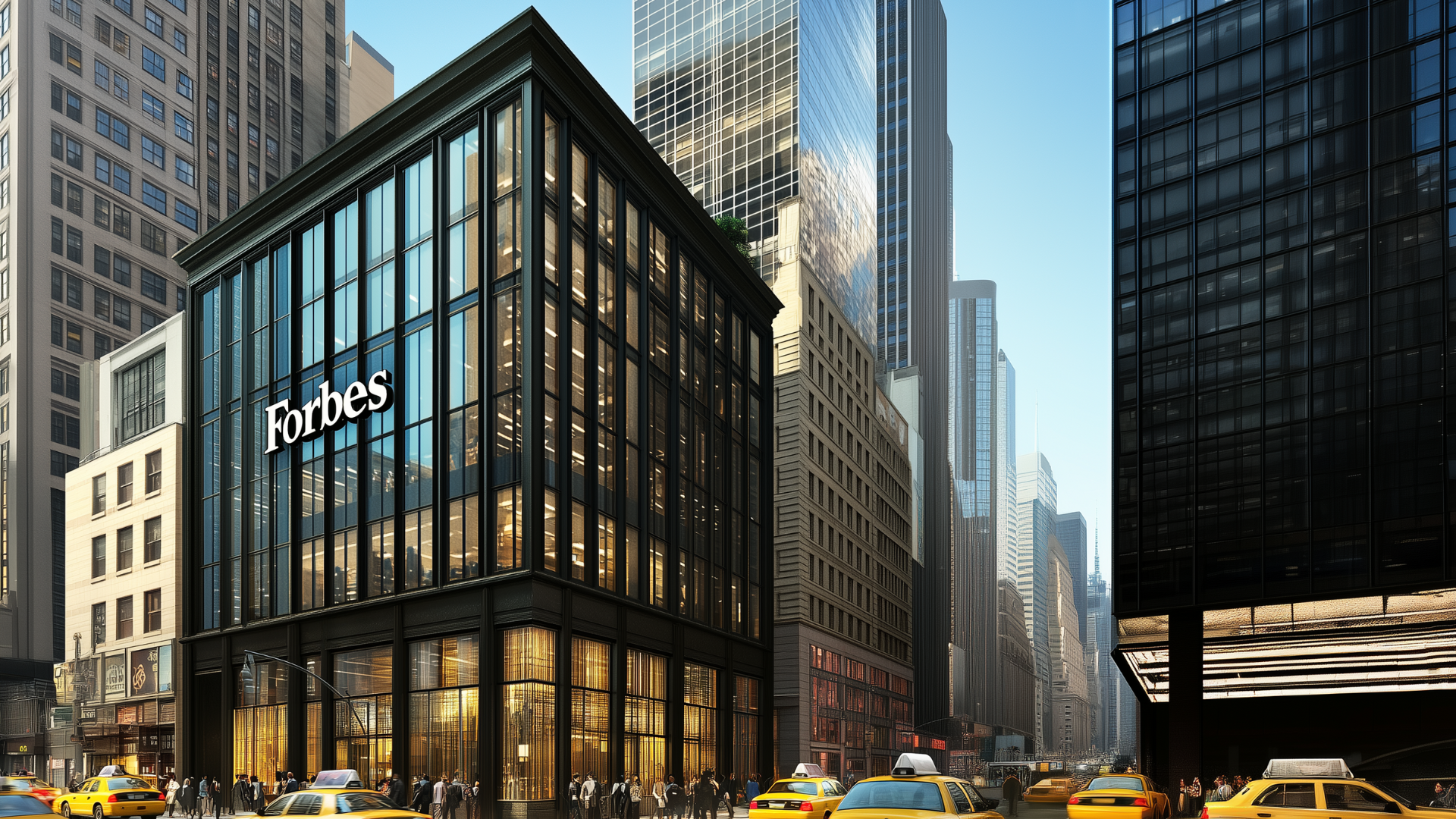
The commercial real estate sector is at a crossroads. Since the pandemic, the industry has struggled to regain its footing, with office vacancies rising and many companies adopting hybrid or fully remote work models.
According to recent reports, vacancy rates in major cities have surged to record levels, with landlords and investors scrambling to find ways to attract and retain tenants in a market that has fundamentally shifted.
In the face of these challenges, the industry must explore innovative solutions to breathe new life into empty buildings. One intriguing possibility is the concept of branded real estate.
The Power of Brand Identity in Workspace
Imagine the potential impact of working in an office building that isn't just another anonymous glass tower but a space that embodies the ethos and values of a globally recognized brand.
What if businesses could operate from a Forbes-branded office building, complete with programming, resources, and services synonymous with the Forbes name? For professionals in media, a Netflix-branded building might offer a dynamic workspace with access to the latest media technologies. For those in advertising, an Adweek-branded office could provide an environment tailored to creativity and innovation.
Beyond Naming Rights
Historically, large tenants have had buildings named after them—take the Willis Tower in Chicago, originally known as the Sears Tower. However, these arrangements were often limited to naming rights, without the integration of brand-specific services and programming.
What I'm proposing is a more holistic approach, where the brand identity infuses every aspect of the building, from its design and amenities to the events and services offered to tenants.
Industry-Specific Applications
Consider how healthcare brands like Mayo Clinic or Cleveland Clinic could create office spaces tailored to medical research, healthcare consulting, and wellness services. A Mayo Clinic-branded office could offer on-site health screenings, wellness programs, and cutting-edge research facilities.
Similarly, in the tech industry, a Google-branded office building could provide a workspace infused with the company's culture of innovation, offering tenants access to tools, resources, and perhaps even early access to new technologies.
A Lifeline for an Industry in Flux
The potential for branded commercial real estate could offer a lifeline for an industry in flux. By aligning office spaces with well-known brands, developers might create environments that resonate deeply with tenants, offering them more than just a place to work—a place to thrive within a community that shares their professional values and goals.
As the commercial real estate industry continues to navigate the challenges of a post-pandemic world, innovative concepts like branded real estate could be the key to transforming empty office buildings into vibrant hubs of industry and culture.
What are your thoughts? Could luxury or industry-branded offices be the next big thing in commercial real estate?
Have a development in mind?
Brand Paradise architects integrated marketing campaigns that connect with buyers from first impression to final sale.
Get in Touch